

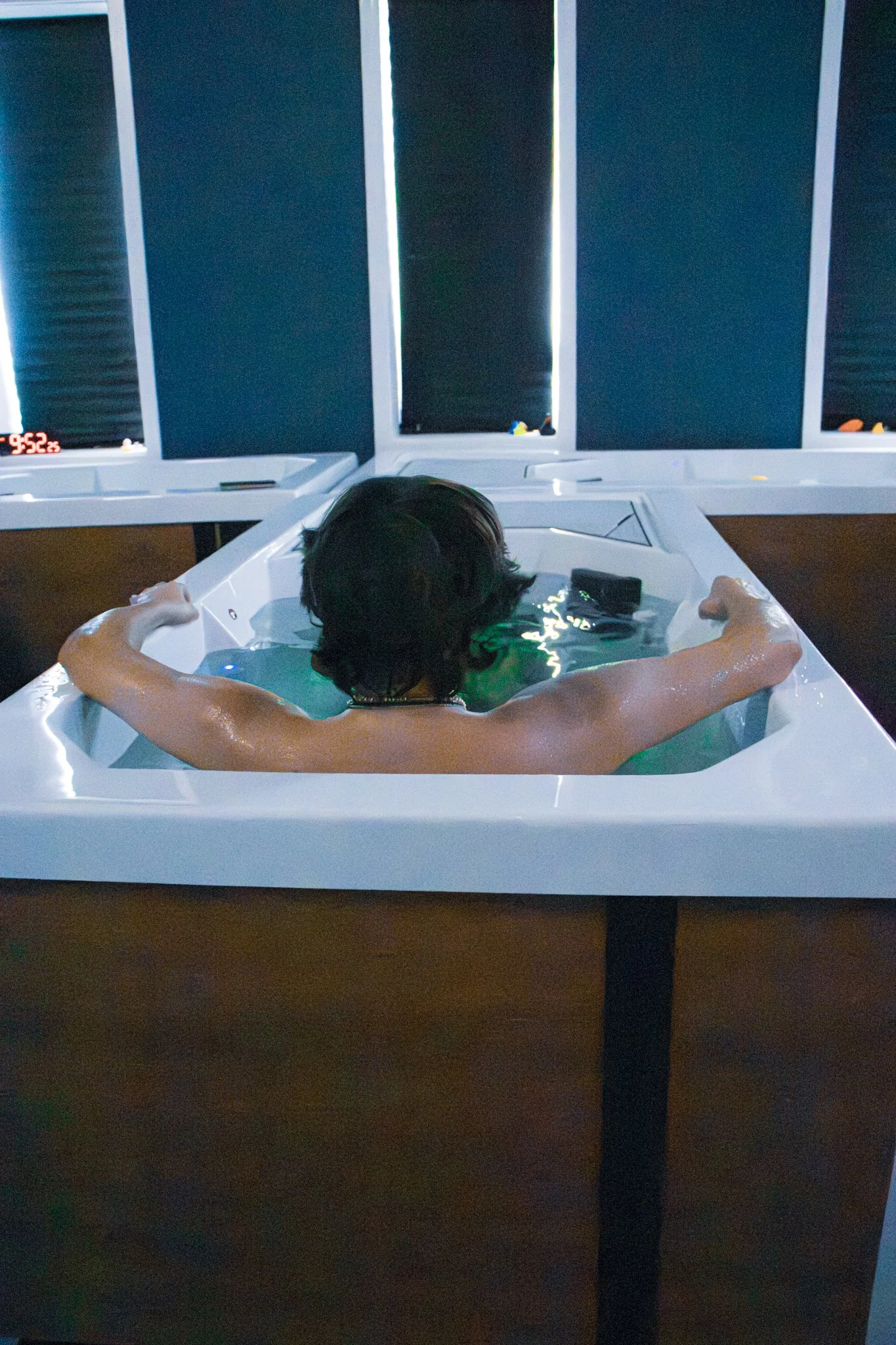
Alternate between
heat & cold for optimal recovery
Alternate between heat and cold exposure to stimulate circulation, reduce inflammation, and accelerate recovery. A dynamic, natural approach designed to help your body reset, recharge, and perform at its best.
The benefits Of Contrast Therapy
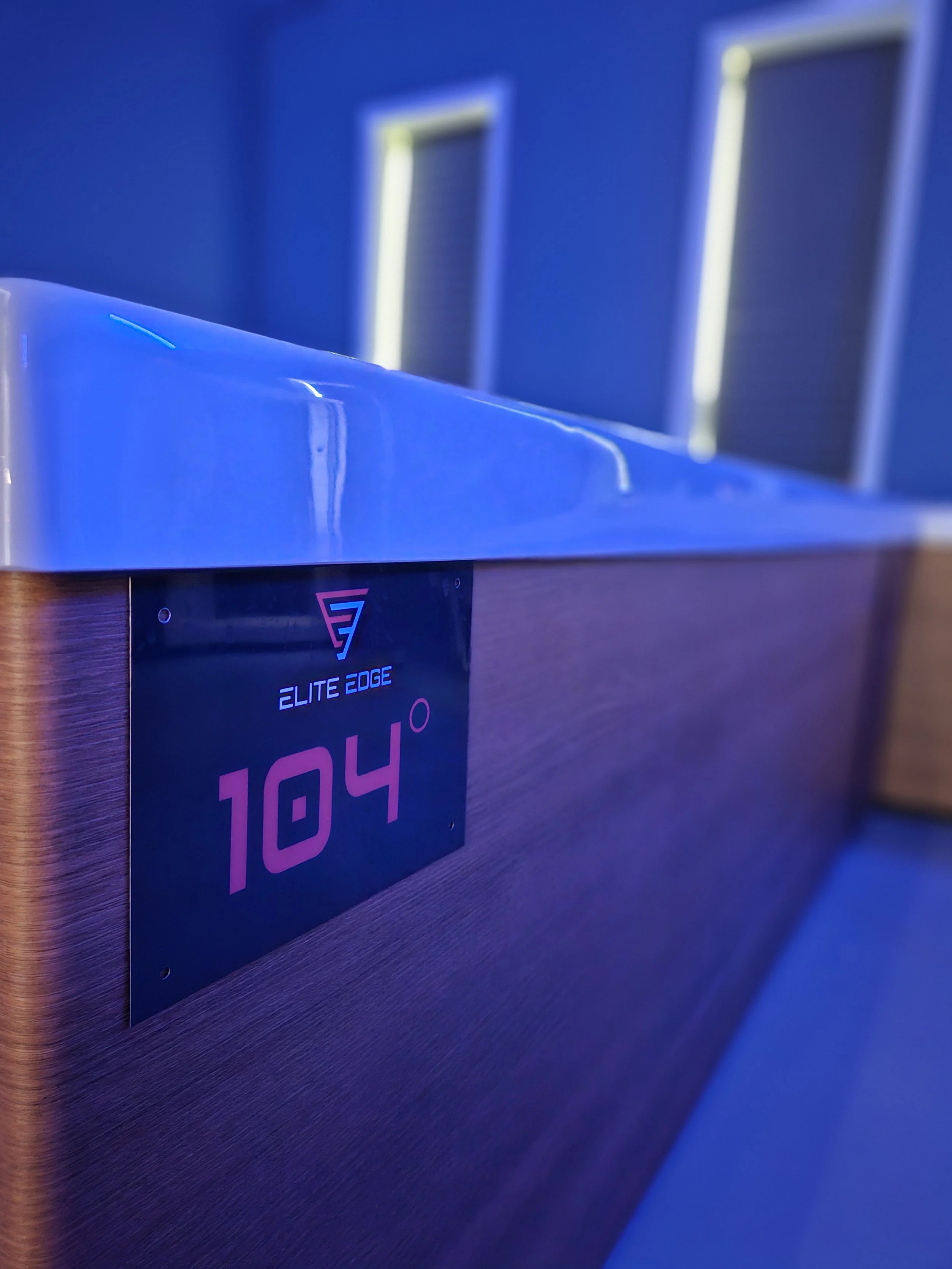
Boost Circulation & Blood flow
Alternating between heat and cold creates a pumping effect in the body, helping move blood, oxygen, and nutrients more efficiently.
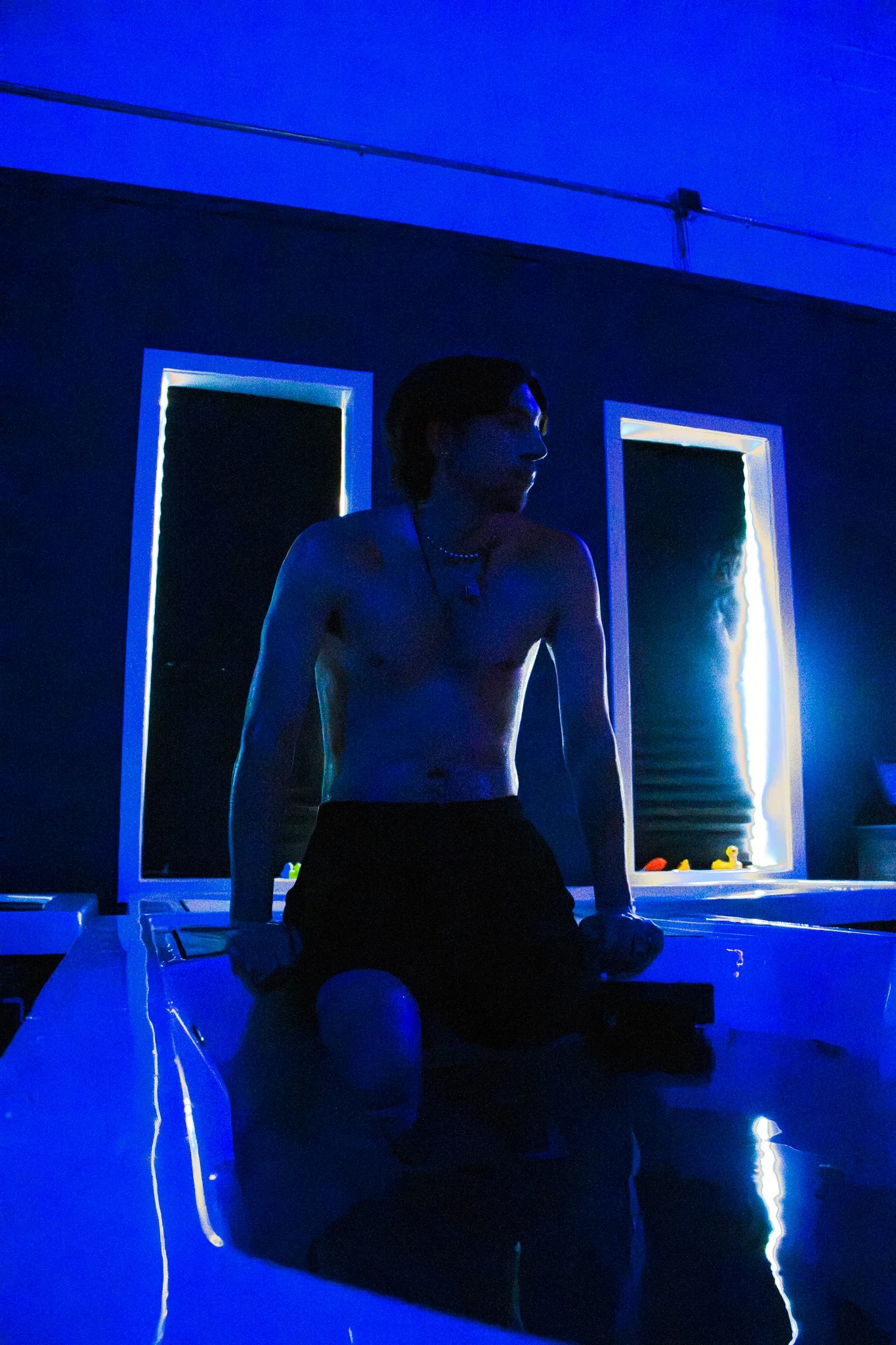
Enhance recovery & overall performance
Contrast therapy helps your body recover more efficiently between sessions, allowing you to stay consistent, perform better, and feel ready for more.

Reduce inflammation & muscle fatigue
The combination of heat and cold helps decrease inflammation while flushing out soreness and fatigue, supporting faster recovery.
✳︎
The Science
✳︎ The Science

Hot + Cold:
More Than Just a Hot Tub and Cold Plunge
“Research suggests that alternating hot and cold water may provide recovery benefits that differ from using either temperature alone.”
A 2024 systematic review and network meta-analysis examined 57 studies involving 1,220 healthy participants and compared cold-water immersion, contrast water therapy, hot/thermoneutral water immersion, and cryotherapy. Contrast water therapy ranked highest for recovery of creatine kinase (CK), a blood marker associated with exercise-induced muscle damage. Cold-water and cryotherapy interventions ranked better for reducing muscle soreness and supporting neuromuscular recovery.
What this means: Contrast therapy isn't simply about making the body hot and then cold. Research suggests that alternating temperatures may influence different aspects of post-exercise recovery.
Read the research:
Contrast therapy and muscle-damage markers
“Studies have found that contrast water therapy can help reduce some of the physical effects associated with intense exercise and muscle damage.”
In a randomized crossover study of strength-trained men, participants completed a demanding leg-press workout followed by either passive recovery, cold-water immersion, hot-water immersion, or contrast water therapy. Those using contrast therapy showed improved recovery of muscle force and dynamic power at multiple points during the following 72 hours, along with reductions in perceived pain compared with passive recovery.
What this means: Following intense exercise, contrast therapy may help the body recover some aspects of strength and power while also reducing the perception of soreness.
Read the research:
Effect of Hydrotherapy on the Signs and Symptoms of Delayed Onset Muscle Soreness
Contrast therapy for team-sport athletes / repeated performance
“When athletes have to perform again before they've fully recovered, contrast therapy may be one option for supporting recovery between efforts.”
Research examining hydrotherapy following team-sport activity has found that contrast water therapy can improve some measures of recovery, particularly perceived fatigue approximately 48 hours after exercise. A systematic review and meta-analysis involving 23 studies and 606 participants found benefits from contrast water therapy for recovery of fatigue following team-sport activity, although the researchers did not find consistent improvements in every measure of performance or soreness.
What this means: Contrast therapy may be particularly relevant for athletes who have games, practices, tournaments, or multiple demanding sessions close together, when the goal is to be ready to perform again rather than simply recover from one workout.
Read the research:
If you're interested in contrast therapy, complete the form with a few details. We'll get back to you as soon as possible.